Industrial control systems
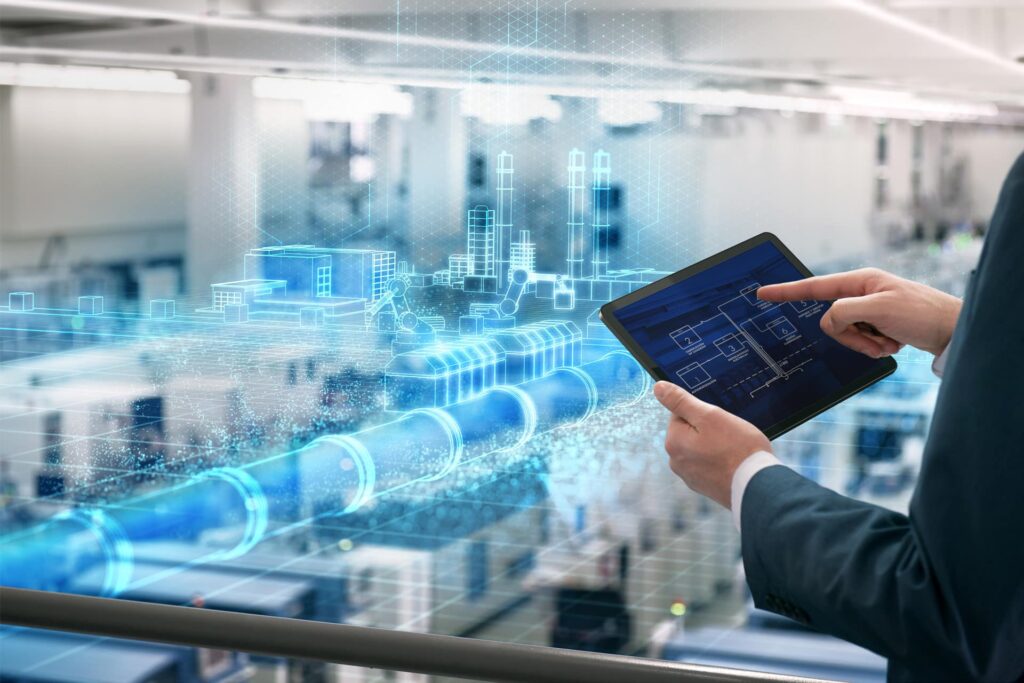
Industrial control systems are a network of interconnected components engineered specifically to execute predefined operational tasks. They are extremely common in the business industrial field and play a key role in achieving specific production objectives.
In this type of specialized production, which is actively led by engineers, another supervisory network is typically used to manage the primary control systems and prevent costly hardware failures. Modern control procedures rely heavily on software programming, leveraging industrial computers and microcontrollers to provide fast, highly accurate responses to dynamic process changes.
Sistemas de control
What are industrial control systems?
An analysis of industrial environments frequently prompts a fundamental question: what are industrial control systems?
At their core, they are integrated sets of components designed to achieve a specific operational objective by regulating, guiding, or directing the behavior of field devices. These networks can be found across various equipment types—including electrical, pneumatic, hydraulic, and mechanical units. By dynamically adjusting machine behavior, they maintain precise physical conditions such as temperature, pressure, or flow speed.
These systems can be operated either manually or automatically. Regardless of the specific hardware utilized, all control setups follow a foundational logic consisting of at least three core elements:
- The process variable to be measured (e.g., the location of a product in industrial bins).
- The actuator executing the physical action (e.g., a mechanical or electric pump).
- The desired target known as the reference point or set-point, which establishes the desired limit.
Aplicaciones de un sistema de control
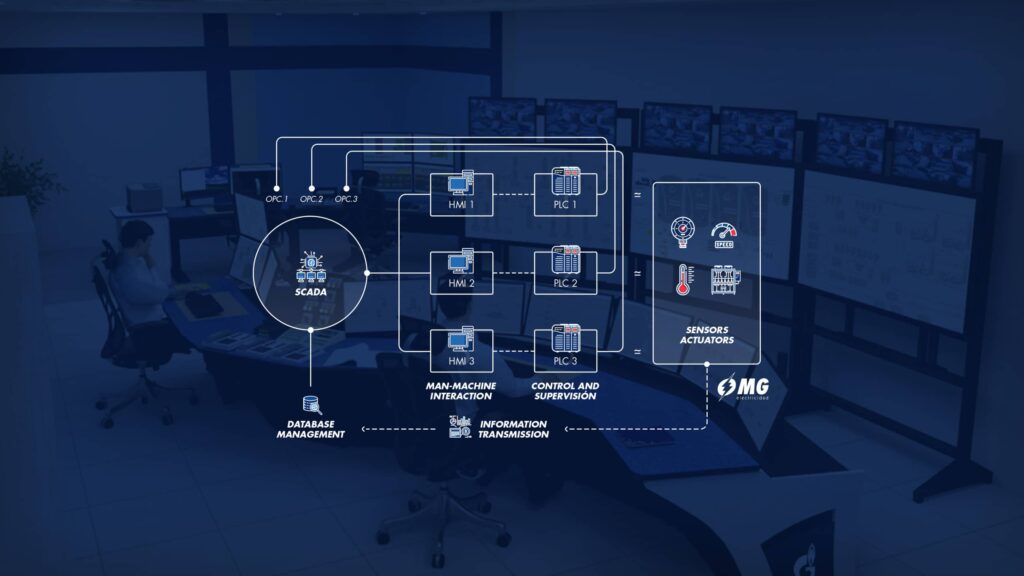
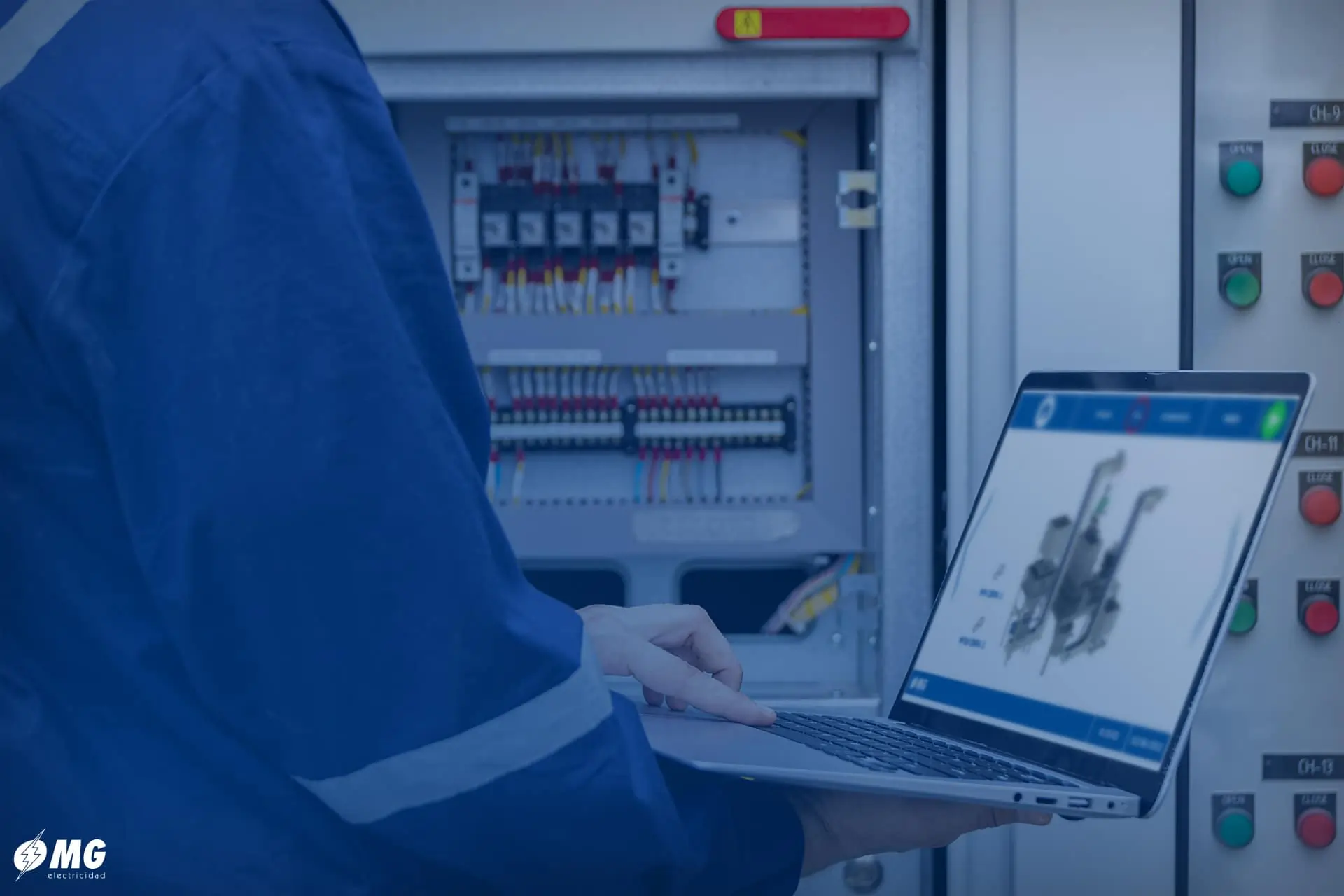
When looking at what is an industrial control system, we find that they are composed of sensors, actuators, controllers, input and output modules, data processing units, control units, and memory units.
These architectures are extensively deployed across diverse applications, including:
- Large modern industries.
- Oil and gas refineries.
- Chemical and gas processing plants.
- Paper manufacturing mills.
- Electrical distribution grids and plants.
- Complex telecommunications infrastructures.
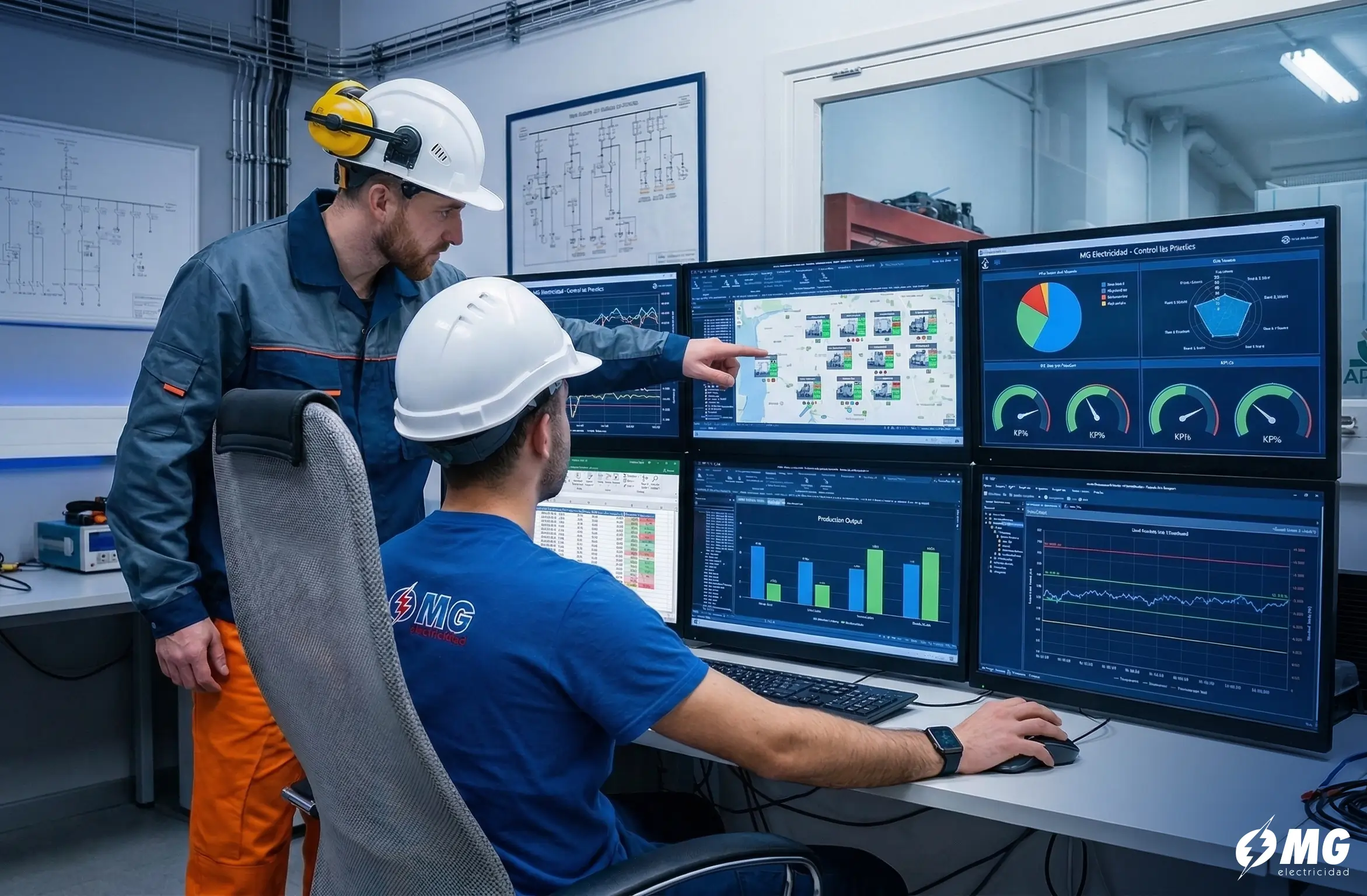
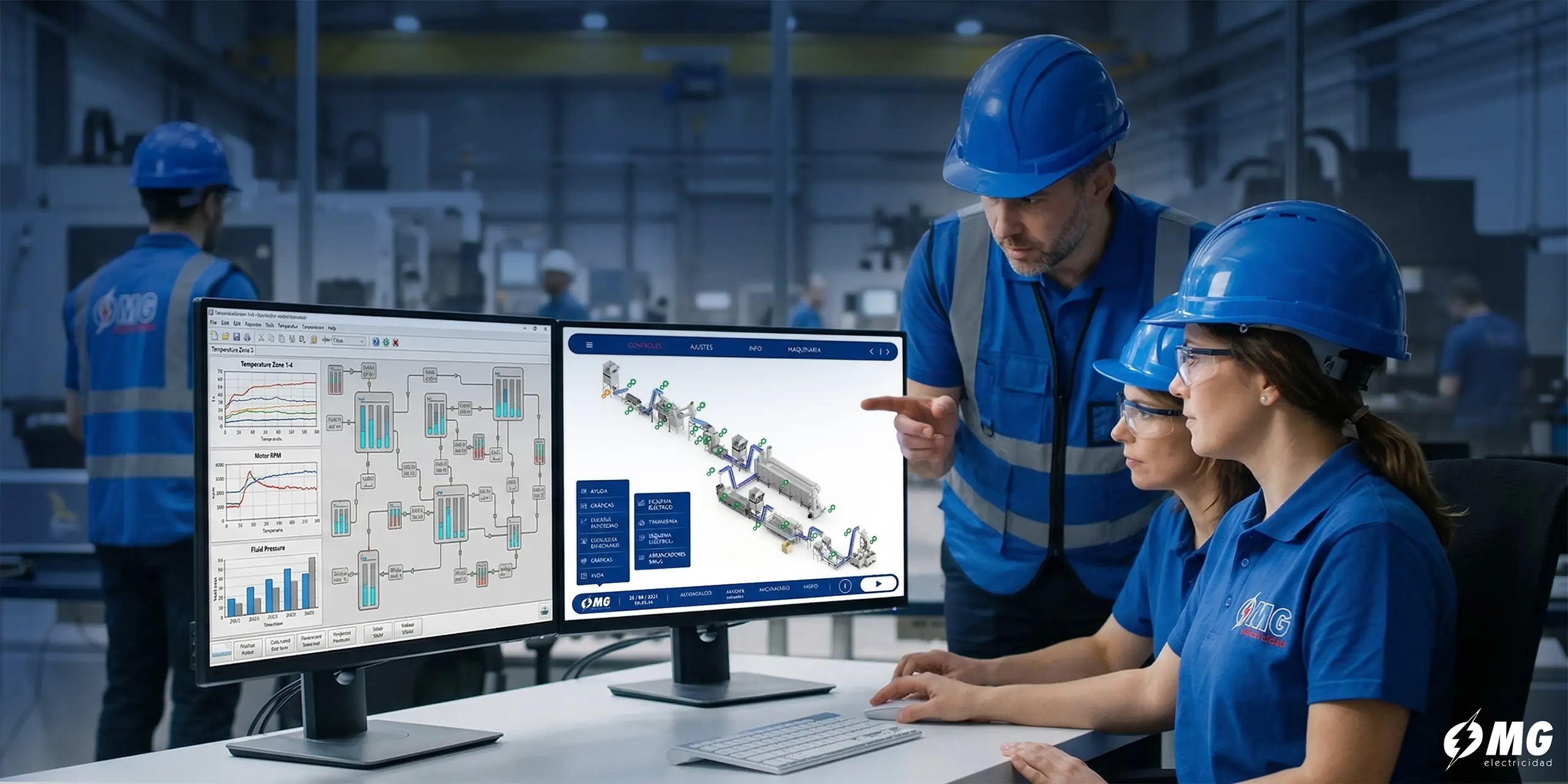
Furthermore, they are actively leveraged to continuously supervise and record operations across industrial machinery, electrical enclosures, physical safety mechanisms, HVAC loops, and real-time information systems.
Characteristics of a High-Performance Control System
When enterprises integrate these automation technologies, the primary engineering goals are focused on achieving three critical pillars of operation:
- Ensure System Stability and Robustness: Achieving process stability is of paramount importance, particularly when operations are faced with environmental disturbances or minor inaccuracies in the underlying control models. Robust hardware and software logic guarantee that the system maintains optimal performance even under adverse or unpredictable conditions.
- Operational Efficiency: Efficiency serves as a key driver in automation deployments. Control logic must be tuned to achieve target set-points with smooth, practical transitions, avoiding abrupt output changes or unrealistic mechanical behaviors that could induce premature equipment wear.
- Ease of Implementation and Real-Time Operation: Simplicity in software deployment and continuous real-time execution are crucial in demanding industrial environments. A robust controller must be capable of processing inputs and executing output logic with zero human lag, ensuring that continuous process variables remain perfectly stabilized.
Types of Industrial Control Systems
The main purpose of any control architecture is to detect and regulate shifts in the targeted operation. Depending on the feedback mechanism utilized, these systems are categorized into two primary divisions:
- Open-Loop Control Systems: These operate without any continuous feedback regarding the actual process variable being controlled. Because the output signal does not depend on the input state, these setups are only suitable for highly predictable environments with known error margins. An everyday example is a fixed-timed traffic light, where a set time is assigned to each light without considering the actual volume of traffic.
- Closed-Loop Control Systems: Unlike open-loop designs, closed-loop systems leverage continuous sensory feedback from the process. This constant data stream allows the controller to make precise, real-time adjustments, significantly minimizing operating errors and maximizing accuracy. An example is a commercial air conditioning system that continuously adjusts its operation based on the ambient temperature detected by its sensors.
Other types of control systems
Beyond loop architectures, specialized operations call for distinct control technologies:
- Discrete and Digital Control: Utilizes circuits with solid-state logic components tailored for industrial processes requiring counting, timing, and sequential transport.
- Analog Control: Relies on hardware components like operational amplifiers and resistors, making it ideal for managing continuous variables requiring absolute precision, such as thermal gradients or liquid flow rates.
- Hybrid Control: Combines both discrete and analog elements to provide selective, high-speed control over complex industrial operations.
- Computer-Based Control: Programmed industrial computers manipulate parameters dynamically based on incoming sensor feedback streams.
Conclusion
Le automation of control processes offers significant competitive benefits for companies by ensuring that their manufacturing procedures operate as efficiently and reliably as possible.
Stability and robustness allow performance to be maintained in challenging conditions, translating to greater production consistency and less downtime. The pursuit of efficiency ensures that resources are used optimally, improving overall corporate profitability. Finally, ease of implementation and real-time operation streamline the management of complex systems, increasing productivity and reducing operating costs.
In summary, these benefits make control system automation a vital strategic investment for any enterprise seeking to improve its competitiveness and efficiency in today’s demanding market.